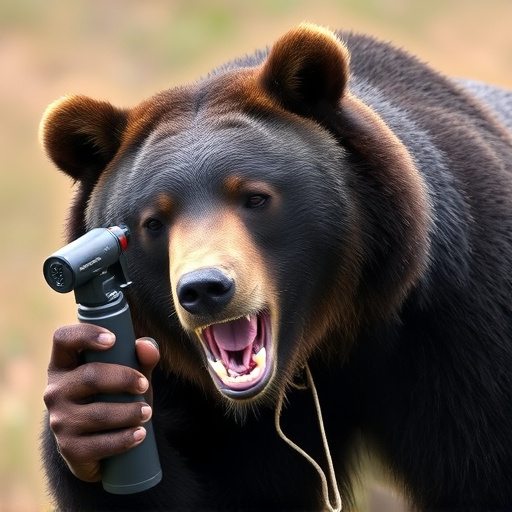
Bear spray, a specialized pepper spray designed for deterring bears, uses capsaicin from chili peppers to irritate bears' eyes and respiratory system. Effective usage involves spraying from 20-30 feet away, while proper storage and regular checking of expiration dates (typically 1-2 years) are crucial to maintain its potency. Understanding the key ingredients and environmental factors ensures optimal effectiveness against bears, making high-quality bear spray a vital tool for outdoor safety in bear country.
“Unraveling the mysteries of bear spray effectiveness, this article explores its role as a vital defense tool in wild environments. We delve into the science behind its range, dispel common myths, and analyze key ingredients. From understanding how bear spray works to identifying factors impacting its deterrent range, this comprehensive guide is essential for outdoor enthusiasts. Learn about the active ingredients and their expiration considerations to ensure maximum protection during your adventures. Get ready to explore the power of bear spray and stay safe in bear country.”
- Understanding Bear Spray: What It Is and How It Works
- The Science Behind Bear Spray's Effective Range
- Ingredient Analysis: Unlocking the Secrets of Bear Spray
- Factors Influencing Bear Spray Deterrent Range
Understanding Bear Spray: What It Is and How It Works
Bear spray, also known as bear deterrent or bear repellant, is a specialized pepper spray designed for use against bears. It’s a crucial tool for outdoor enthusiasts and anyone venturing into bear country. Unlike traditional pepper spray, which is meant for human self-defense, bear spray is formulated to create an effective barrier between the user and bears by irritating their eyes and respiratory system.
The key ingredients in bear spray include capsaicin, the active compound found in chili peppers, along with various other chemicals. These ingredients are carefully balanced to ensure maximum effectiveness while minimizing the risk of harm to humans and non-target animals. Proper usage involves spraying directly into the bear’s face from a safe distance, typically between 20 to 30 feet (6 to 9 meters). The spray creates a temporary but powerful deterrent, allowing individuals to escape or retreat safely. Regular maintenance and proper storage are essential to keep bear spray in optimal condition, including checking expiration dates, as these products do expire over time.
The Science Behind Bear Spray's Effective Range
The effectiveness of bear spray as a deterrent is rooted in its active ingredients and the way they interact with bears’ senses. Typically, these sprays contain capsaicin, a compound found in chili peppers that stimulates nerve endings, causing pain and temporary blindness. When used correctly, bear spray creates a safe buffer zone by disrupting a bear’s behavior pattern. The range of an effective bear spray is approximately 20 to 30 feet (6 to 9 meters), ensuring the spray reaches the bear while allowing for escape if needed.
Understanding the ‘expire’ aspect is crucial. While ingredients like capsaicin don’t degrade in the same way as food, bear spray does have a shelf life. Exposure to extreme temperatures or prolonged sunlight can reduce its potency. It’s essential to check the expiration date and store sprays appropriately to ensure their effectiveness when needed.
Ingredient Analysis: Unlocking the Secrets of Bear Spray
Bear spray, a powerful deterrent, has saved countless outdoor enthusiasts from potential bear encounters. But what makes it so effective? Let’s delve into the ingredient analysis to understand the science behind this popular defense mechanism. The primary active ingredient in bear spray is capsaicin, derived from chili peppers. This irritant targets the bear’s eyes, nose, and respiratory system, temporarily disabling its senses and causing it to retreat.
Beyond capsaicin, other ingredients play crucial roles. Propane or butane serve as propellants, ensuring the spray reaches its target effectively. These components are carefully balanced to provide a strong yet controlled release of the active ingredient, making bear spray a versatile and portable defense option. Additionally, some brands incorporate natural repellents like citronella or pine oil, further enhancing its effectiveness and appealing to eco-conscious users. Understanding these ingredients is key to grasping the range and reliability of bear spray as a deterrent.
Factors Influencing Bear Spray Deterrent Range
The effective range of bear spray as a deterrent is influenced by several key factors. One primary consideration is the quality and concentration of the ingredients. Bear spray typically contains capsaicin, the active ingredient found in chili peppers, which irritates bears’ eyes, nose, and respiratory system. The potency and concentration of capsaicin can significantly impact the spray’s range, with higher concentrations offering greater protection.
Additionally, environmental conditions play a crucial role. Wind direction and speed can affect how far the spray reaches and its effectiveness. A calm day allows for better control over the spray’s direction and increases its likelihood of hitting a bear directly. Conversely, windy conditions can disperse the spray more widely, reducing its concentration at any given point. Other factors include temperature, humidity, and terrain; these elements can influence how quickly the spray evaporates and its overall impact on bears.
Bear spray, while an essential tool for outdoor enthusiasts in bear country, has a limited but effective deterrent range. Understanding its science, active ingredients, and influencing factors is crucial for maximizing its efficacy. Remember that proper usage, regular expiration checks, and knowledge of local regulations are key to ensuring your safety when venturing into areas with bear populations. The insights gained from this article should help you navigate these wild landscapes with increased confidence and peace of mind.